
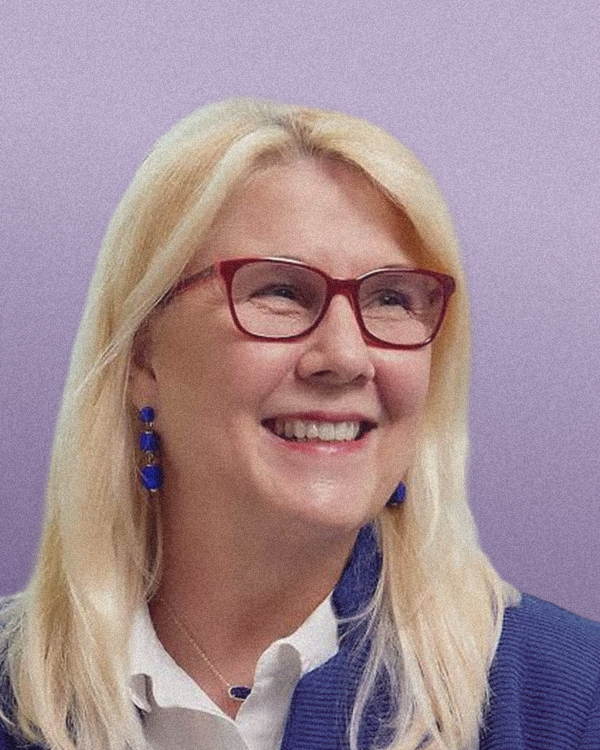
Debbie Simonson
VP and Chief
Pharmacy Officer

VP and Chief
Pharmacy Officer
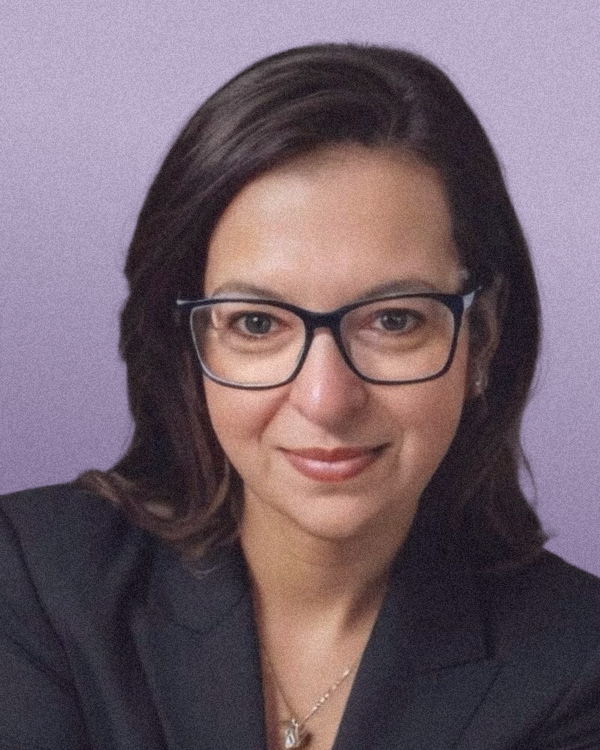
Chief Digital
Information Officer

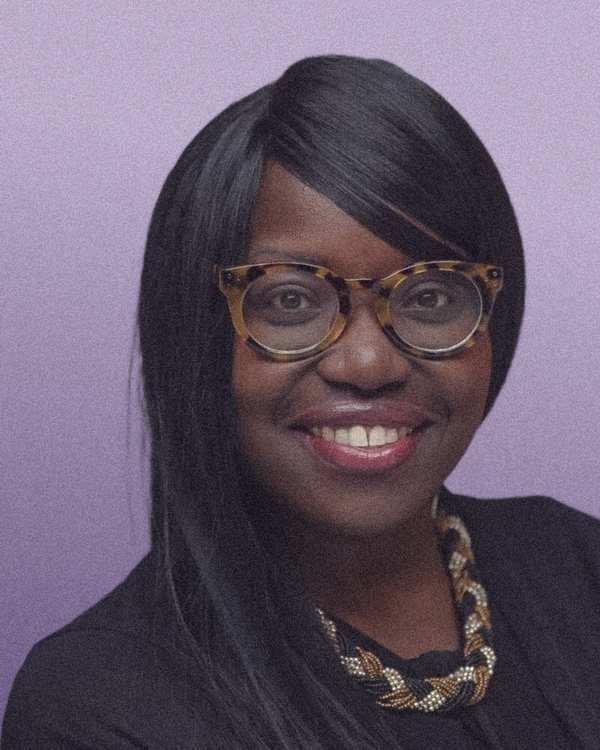
VP and Chief
Pharmacy Officer

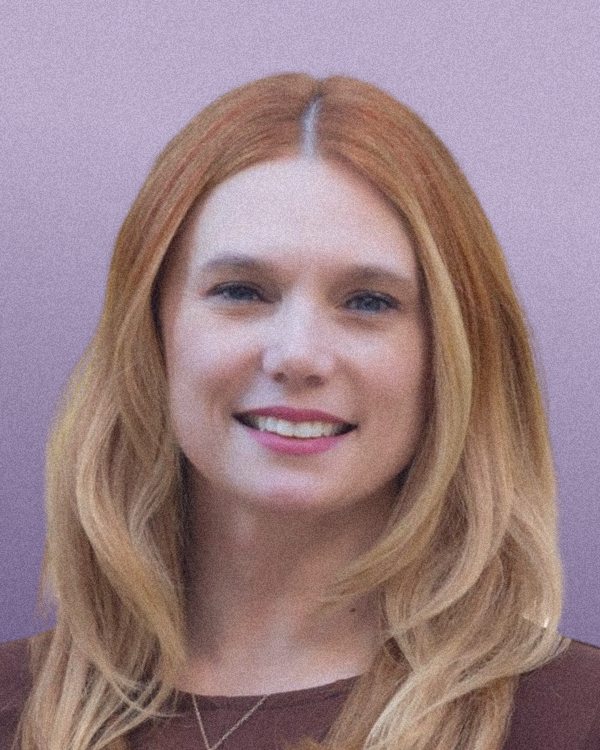
VP and Chief
Pharmacy Officer

Scroll to explore


Leaders from Ochsner, Mount Sinai, Yale New Haven and UCSF explain which numbers they bring to leadership and how they frame them.
Why this conversation matters
Pharmacy is one of the few places where a health system can grow margin and improve patient care with the same investment. Demand for specialty and infusion therapies is growing faster than pharmacies can hire. Meeting it takes money, and the money sits with a CEO and CFO who may never have looked closely at the pharmacy business.
So pharmacy leaders have to make a case. On November 4, four of them sat on stage at Becker's and explained how they make theirs. Sri Somasundaram, Latent's co-founder and co-CEO, moderated. All four health systems use Latent.
Here is what they said, in four parts. Each part links to its moment in the recording.
The opening
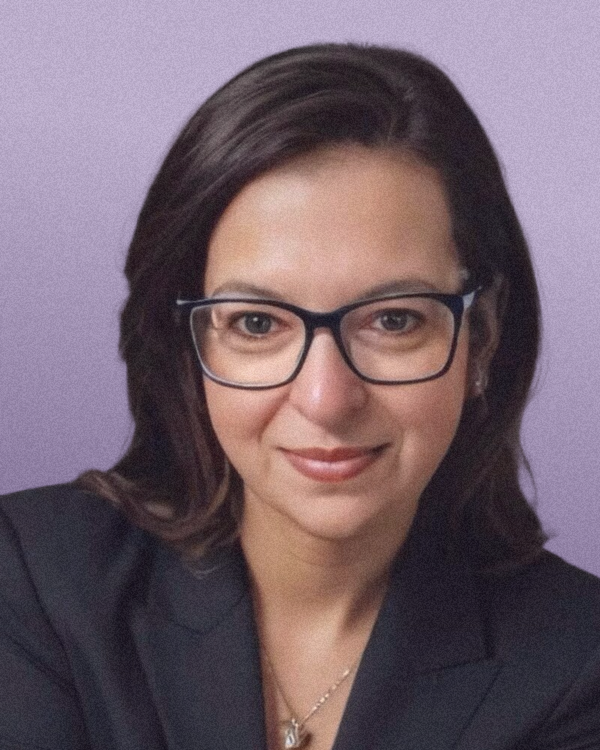
Sri opened by asking each leader for one number proving what pharmacy is worth. Noelle Chapman pushed back on the question. UCSF's leadership runs on EBITDA, she said, so her job is to translate patient care and safety into EBITDA. Another system might manage to a different measure. The work is finding out which one.
It almost doesn't matter what the number is. It's knowing the audience and making sure you can connect to it in a way that's meaningful.
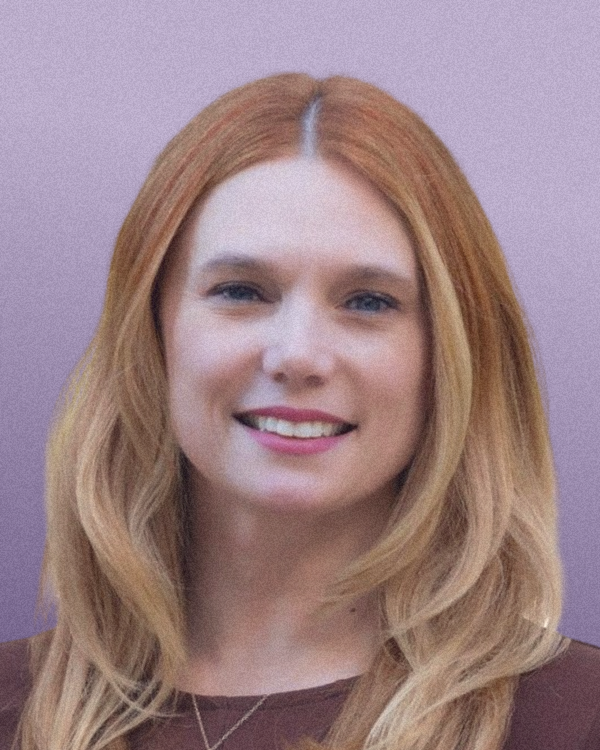
Debbie Simonson has run pharmacy at Ochsner for 45 years. She asks her teams to tell every story twice: once about the patient, and once about the dollars paying for the patient's care. Then she showed the room how the dollar version works.
Let's just say it's [margin per specialty prescription is] $1,000 a script. Let's just say I increase it by 10 a day, five days a week. So $10,000 a day, five days a week, that's $50,000. Fifty-two weeks out of the year? $2.6 million, just by increasing your scripts by 10.
Annual margin
Margin × added scripts × 5 days × 52 weeks
Debbie's example is illustrative. It is not Ochsner's financial results, and it is not a forecast.
The problem
Debbie's specialty pharmacy at Ochsner was growing 20% a year. She had positions posted, but could not fill them fast enough to meet demand. Turnaround slowed. Prior authorization was a bottleneck, and her staff were unhappy because they could not care for patients the way they wanted to. So she used AI to remove the bottlenecks, starting there.
Because I couldn't hire. I had plenty of positions posted. That's not going to help me. I have a volume demand I cannot meet.
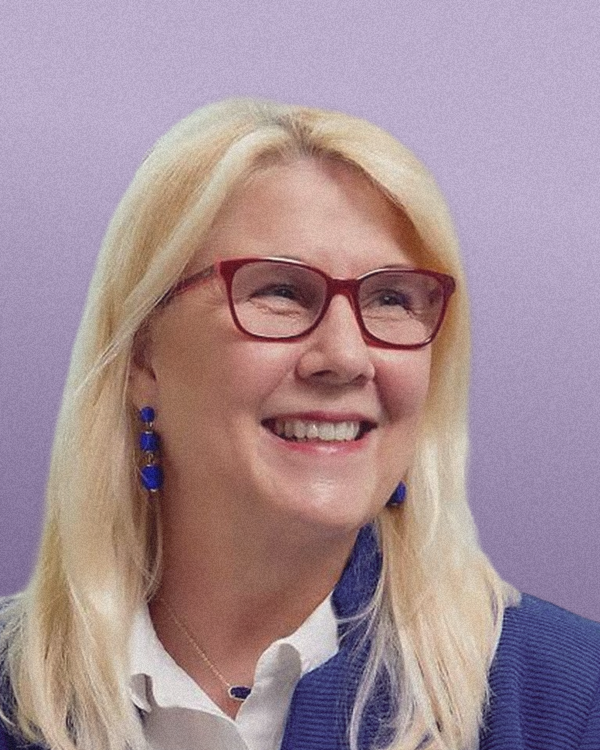
Marjorie Lazarre hit the same wall at Yale New Haven, where she leads 1,300 pharmacists and technicians. Yale runs clinical trials for new therapies. Once those therapies reached the market, her team could not get them to patients fast enough, and no hiring plan closed the gap.
We built our pipeline of pharmacists, and also our pipeline of technicians, the math was just not mathing, as my son would say. We had to find a solution.
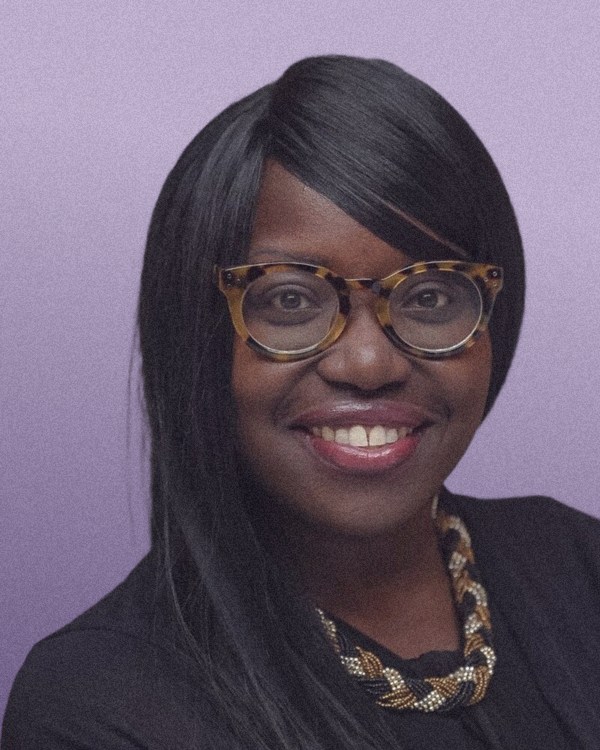
Lisa Stump saw it from the technology side. She is now at Mount Sinai, and at the time she was chief information officer at Yale New Haven. Marjorie's team had a growth plan built on hiring, and they asked Lisa's digital team for another way. As Lisa recalls it, the pharmacy grew with technology and did not need the extra people.
If you can continue to grow without adding resources at the same pace, that's a very real value to the enterprise.
The decision
A CFO will ask why pharmacy needs another tool when the health system already owns an electronic health record and a revenue cycle platform. Marjorie and Lisa asked each other the same question. Lisa's team at Yale New Haven was building a pharmacy tool in house. Then Marjorie sat through a Latent demo.
After seeing Latent, in literally the first 15 minutes I recognized that what we were building could not surpass what I saw.
Lisa agreed with the call, even though her team was the one building the internal version. Health record vendors cover the entire clinical workflow, she said, and at the time no one was focused wide and deep on pharmacy.
For Marjorie, speed decided it. Her team had the talent to keep building. With new regulatory and legislative changes arriving every year, it did not have the time.
The results
Debbie has spent four years moving Ochsner's pharmacy workflows onto Latent, one at a time. Prior authorization came first. Her staff used to spend 15–20 minutes gathering chart information for each request, and now they spend four. Appeals came next, and they dropped 75%.
Each project had its own measure of success. Now she tracks three all the time: productivity against demand, quality and employee satisfaction. For leadership, she leads with the first.
But now the bottom line is: how many prescriptions can I do per FTE? That's my bottom line.
Figures in the panel sections were reported on stage.
Lisa's advice is to report in four areas: the dollar measure your organization manages to, productivity, patient satisfaction and the workload on your care team.
You will have that home run when tools like this produce results in all of those quadrants. There's literally no argument.
Noelle closed with a patient. Heather takes a GLP-1, and for a year and a half she filled the prescription at an outside pharmacy. Every refill needed a new insurance approval. Her insurer denied every request, and Heather ran the appeals herself, calling her doctor and her insurer. Once she waited on an approval only to learn nobody had submitted the paperwork. Then she moved her prescriptions to UCSF's pharmacy.
Every single time since then, her authorizations have come through in less than 24 hours. She has not had to struggle, worry, call, coordinate, anything like that.
At UCSF, 86% of prior authorizations win approval in the first 24 hours, and specialty prescriptions reach patients five days faster than the national standard. Noelle told the room those numbers sound impressive on their own. Heather shows leadership what they mean.
Recap
Use leadership's measure. UCSF runs on EBITDA. In Debbie Simonson's example, 10 more specialty prescriptions a day, five days a week, at $1,000 margin each adds $2.6 million a year.
Show the demand, and how AI helps meet it. Ochsner's specialty pharmacy grew 20% a year, faster than posted positions could be filled. AI removed the bottlenecks, starting with prior authorization.
Explain the buy. Yale New Haven stopped building its own tool because a partner delivered faster.
Report one number and one patient. Ochsner fills 47.99% more prescriptions per FTE. At UCSF, Heather's approvals now arrive in under 24 hours.
Further reading



PDF · 13 pages · 1.3 MB
The PDF has all four parts, the leaders' quotes and each “Before your meeting” note.